
# Silk vs Cotton Saree: Which One Should You Choose?
Silk vs cotton saree is a common question for anyone shopping for traditional Indian attire. The answer depends on comfort, occasion, budget, and personal style. Silk offers a rich shine and heavy feel, while cotton provides breathability and easy care. This guide explains the key differences, helps you weigh the pros and cons, and gives practical tips for making the right choice. Whether you are a first‑time buyer or looking to expand your wardrobe, understand silk vs cotton saree to pick the fabric that fits your needs perfectly.
## Introduction – Why the Choice MattersChoosing the right fabric changes how a saree looks and feels on you. Silk drapes beautifully and suits formal events. Cotton stays cool in hot weather and is easy to wash. Both fabrics have cultural significance and modern appeal. In this article we explore silk vs cotton saree in simple terms. You will learn how to match fabric to occasion, body type, and budget. By the end you will feel confident selecting the perfect saree for any setting.
## Understanding the Basics of Silk vs Cotton Saree
### What Is a Silk Saree?
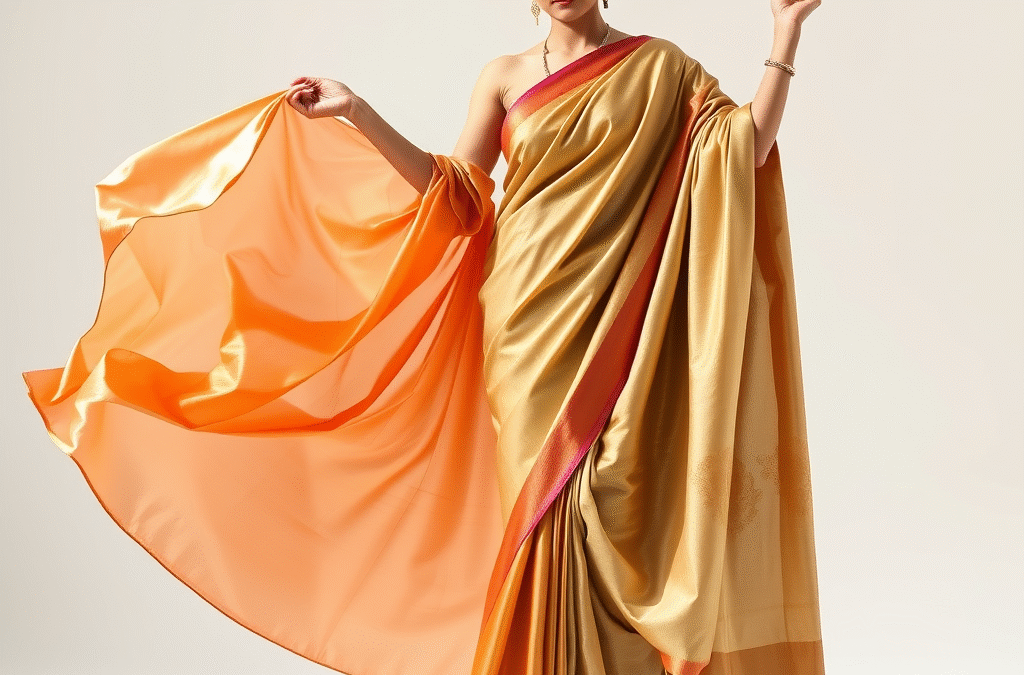
A silk saree is woven from silk fibers, which are natural protein threads. Silk fibers are smooth, soft, and have a natural sheen. The fabric feels cool at first but can become warm with body heat. Silk sarees often feature intricate patterns, embroidery, and rich colors. They are popular for weddings, festivals, and ceremonial occasions.
### What Is a Cotton Saree?
A cotton saree uses cotton fibers, which are breathable and absorbent. Cotton feels soft and light against the skin. It drapes loosely and does not cling, making it ideal for everyday wear. Cotton sarees come in many prints, from subtle checks to bold ikat designs. They are easy to wash and iron, which suits busy lifestyles.
### Key Differences at a Glance
| Feature | Silk Saree | Cotton Saree |
|———|————|————–|
| Shine | High natural gloss | Matte or low sheen |
| Weight | Heavier, structured | Lighter, flowy |
| Breathability | Moderate, can trap heat | Excellent, keeps you cool |
| Care | Dry‑clean recommended | Machine washable, easy to iron |
| Price | Generally higher | More affordable |
These points illustrate the core contrast in silk vs cotton saree selection.
## Factors to Consider When Picking a Saree
### Occasion and Setting
Formal events such as weddings, receptions, and religious ceremonies call for silk. The rich texture adds elegance and status. For casual gatherings, family meals, or office meetings, cotton feels appropriate. Its simplicity avoids over‑dressing or overheating. Matching the saree to the event ensures you look festive without feeling uncomfortable.
### Climate and Comfort
Weather plays a big role in fabric choice. In hot, humid climates cotton wins. Its fibers absorb sweat and allow air flow. Silk can feel warm in scorching summers, especially in tropical regions. However, in cooler evenings silk offers warmth and a luxurious feel. If you live in a place with distinct seasons, keep both fabrics in your closet.
### Body Type and Appearance
Silk drapes and hugs curves, enhancing curves and creating a regal silhouette. It works well for taller or curvier figures. Cotton provides a relaxed drape that suits petite or petite‑plus bodies. It does not add bulk and flows gently. Understanding how each fabric interacts with your shape helps you select a flattering look.
### Budget and MaintenanceSilk sarees often cost more due to labor‑intensive weaving. They may need dry‑cleaning, which adds to upkeep. Cotton sarees are budget‑friendly and washable at home. If you plan to wear the saree frequently, cotton offers value. For occasional splurges, a silk piece can become a treasured heirloom.
## How to Care for Silk and Cotton Sarees
### Washing and Drying Tips
– Silk: Prefer dry‑clean only. If hand‑washing, use cold water and a mild detergent. Do not wring; gently press out excess water. Lay flat to dry away from direct sunlight.
– Cotton: Machine wash on a gentle cycle with cold water. Use mild soap. After washing, tumble dry on low or hang to dry. Iron on medium heat if needed.
### Storing Properly
– Silk: Store in a breathable cotton cloth bag. Avoid plastic to prevent moisture buildup. Keep away from sharp objects that could snag the fabric.
– Cotton: Fold neatly and place in a drawer or shelf. Use silica packets to control humidity. Cotton tolerates longer storage without damage.
### Handling Stains
– Silk: Blot the stain with a clean cloth. Apply a small amount of silk‑safe stain remover before washing. Test on an inconspicuous area first.
– Cotton: Soak in cold water with a mild detergent. Gently rub the stained spot. Rinse thoroughly and wash as normal.
Proper care extends the life of your saree and maintains its original beauty.
## Popular Styles and When to Wear Them
### Traditional Silk Designs
– Banarasi silk with gold brocade
– Kanjivaram with temple motifs
– Patola from Gujarat featuring geometric patterns
These designs showcase intricate work and glossy finish. They are ideal for bridal wear, festive celebrations, and cultural events.
### Everyday Cotton Varieties
– Plain cotton with subtle borders
– Printed cotton with floral or abstract prints
– Chanderi cotton blends offering soft sheen
These styles are perfect for office days, school events, or casual outings. Their light feel keeps you comfortable throughout the day.
### Fusion and Modern Trends
– Silk‑cotton blend sarees that combine softness and sheen
– Sarees with contemporary draping styles like the pant‑saree
– Sarees featuring asymmetrical cuts or cape sleeves
Fusion pieces cater to younger audiences who want tradition with a modern twist. They work well for parties, date nights, and creative gatherings.
## Real‑Life Scenarios: Which Saree Fits Your Need?
### Scenario 1: Wedding FunctionA silk saree with rich embroidery pairs well with heavy jewelry. Its sheen adds sparkle under bright lights. Choose a color that complements the venue décor.
### Scenario 2: Office Meeting
A cotton saree in a muted pastel shade offers a professional look. Its breathable fabric keeps you cool during long meetings. Pair with simple accessories for a polished yet modest appearance.
### Scenario 3: Casual Family Gathering
A printed cotton saree with a fun motif feels festive without being over‑the‑top. Its ease of movement lets you join activities comfortably. Light makeup and minimal jewelry finish the look.
### Scenario 4: Summer Outings
A lightweight cotton‑silk blend provides a subtle sheen while staying cool. Its breathable nature prevents sweat buildup. Opt for bright colors to match the sunny weather.
These examples show how silk vs cotton saree choices adapt to different life moments.
## Frequently Asked Questions (FAQs)
**Is silk vs cotton saree a matter of personal preference?**
Yes. Personal comfort, style, and occasion dictate the best choice.
**Can I wear a silk saree in summer?**
Silk can be worn in summer if the climate is moderate and the saree is lightweight. Choose breathable weaves for hotter days.
**How do I know if a saree is pure silk?**
Check the label, ask the seller for a silk certification, or perform a burn test on a small thread.
**Which fabric is more affordable?**
Generally cotton is more affordable than silk.
**Do cotton sarees wrinkle easily?**
Cotton may wrinkle, but it can be ironed easily. Silk retains its shape better.
**Can I wash a silk saree at home?**
Home washing is possible with cold water and mild detergent, but dry‑cleaning is safer.
**What accessories go well with silk sarees?**
Heavy gold jewelry, embellished clutches, and elegant heels complement silk.
**Are there eco‑friendly silk options?**
Yes, organic silk farms produce silk without harmful chemicals.
**How long does a cotton saree last?**
With proper care, a cotton saree can last many years.
**Which fabric is better for people with sensitive skin?**
Cotton is hypoallergenic and gentler on sensitive skin.
**Can I mix silk and cotton fabrics in one saree?**
Yes, blend fabrics create unique textures and are popular for modern designs.
— By now you should understand silk vs cotton saree in depth. You know how to match fabric to occasion, climate, body type, and budget. Care tips keep your sarees looking new, and real‑life scenarios guide your purchase decisions. Use this knowledge to build a versatile wardrobe that celebrates tradition while fitting modern life.